
Lunch Ticket
  • Current Issue
  • Archive
    • Issues Archive
      • Issue 27: Summer/Fall 2025
      • Issue 26: Winter/Spring 2025
      • Issue 25: Summer/Fall 2024
      • Issue 24: Winter/Spring 2024
      • Issue 23: Summer/Fall 2023
      • Issue 22: Winter/Spring 2023
      • Issue 21: Summer/Fall 2022
      • Issue 20: Winter/Spring 2022
      • Issue 19: Summer/Fall 2021
      • Issue 18: Winter/Spring 2021
      • Issue 17: Summer/Fall 2020
      • Issue 16: Winter/Spring 2020
      • Issue 15: Summer/Fall 2019
      • Issue 14: Winter/Spring 2019
      • Issue 13: Summer/Fall 2018
      • Issue 12: Winter/Spring 2018
      • Issue 11: Summer/Fall 2017
      • Issue 10: Winter/Spring 2017
      • Issue 9: Summer/Fall 2016
      • Issue 8: Winter/Spring 2016
      • Issue 7: Summer/Fall 2015
      • Issue 6: Winter/Spring 2015
      • Issue 5: Summer/Fall 2014
      • Issue 4: Winter/Spring 2014
      • Issue 3: Summer/Fall 2013
      • Issue 2: Winter/Spring 2013
      • Issue 1: Spring 2012
    • Genre Archive
      • Creative Nonfiction
      • Essays
      • Fiction
      • Flash Prose
      • Interviews
      • Lunch Specials
      • Poetry
      • Translation
      • Visual Art
      • Young Adult
  • About
    • Mission Statement
    • Lunch Ticket Staff
      • Issue 27: Summer/Fall 2025
      • Issue 26: Winter/Spring 2025
      • Issue 25: Summer/Fall 2024
      • Issue 24: Winter/Spring 2024
      • Issue 23: Summer/Fall 2023
      • Issue 22: Winter/Spring 2023
      • Issue 21: Summer/Fall 2022
      • Issue 20: Winter/Spring 2022
      • Issue 19: Summer/Fall 2021
      • Issue 18: Winter/Spring 2021
      • Issue 17: Summer/Fall 2020
      • Issue 16: Winter/Spring 2020
      • Issue 15: Summer/Fall 2019
      • Issue 14: Winter/Spring 2019
      • Issue 13: Summer/Fall 2018
      • Issue 12: Winter/Spring 2018
      • Issue 11: Summer/Fall 2017
      • Issue 10: Winter/Spring 2017
      • Issue 9: Summer/Fall 2016
      • Issue 8: Winter/Spring 2016
      • Issue 7: Summer/Fall 2015
      • Issue 6: Winter/Spring 2015
      • Issue 5: Summer/Fall 2014
      • Issue 4: Winter/Spring 2014
      • Issue 3: Summer/Fall 2013
      • Issue 2: Winter/Spring 2013
      • Issue 1: Spring 2012
    • Achievements
    • Community
    • Contact
  • Weekly Content
    • Friday Lunch Blog
    • Midnight Snack
    • Amuse-Bouche
    • School Lunch
  • Contests
    • Diana Woods Award in CNF
      • Issue 27: Summer/Fall 2025
      • Issue 26: Winter/Spring 2025
      • Issue 25: Summer/Fall 2024
      • Issue 24: Winter/Spring 2024
      • Issue 23: Summer/Fall 2023
      • Issue 22: Winter/Spring 2023
      • Issue 21: Summer/Fall 2022
      • Issue 20: Winter/Spring 2022
      • Issue 19: Summer/Fall 2021
      • Issue 18: Winter/Spring 2021
      • Issue 17: Summer/Fall 2020
      • Issue 16: Winter/Spring 2020
      • Issue 15: Summer/Fall 2019
      • Issue 14: Winter/Spring 2019
      • Issue 13: Summer/Fall 2018
      • Issue 12: Winter/Spring 2018
      • Issue 11: Summer/Fall 2017
      • Issue 10: Winter/Spring 2017
      • Issue 9: Summer/Fall 2016
      • Issue 8: Winter/Spring 2016
      • Issue 7: Summer/Fall 2015
      • Issue 6: Winter/Spring 2015
      • Issue 5: Summer/Fall 2014
      • Issue 4: Winter/Spring 2014
      • Issue 3: Summer/Fall 2013
    • Gabo Prize in Translation
      • Issue 27: Summer/Fall 2025
      • Issue 26: Winter/Spring 2025
      • Issue 25: Summer/Fall 2024
      • Issue 24: Winter/Spring 2024
      • Issue 23: Summer/Fall 2023
      • Issue 22: Winter/Spring 2023
      • Issue 21: Summer/Fall 2022
      • Issue 20: Winter/Spring 2022
      • Issue 19: Summer/Fall 2021
      • Issue 18: Winter/Spring 2021
      • Issue 17: Summer/Fall 2020
      • Issue 16: Winter/Spring 2020
      • Issue 15: Summer/Fall 2019
      • Issue 14: Winter/Spring 2019
      • Issue 13: Summer/Fall 2018
      • Issue 12: Winter/Spring 2018
      • Issue 11: Summer/Fall 2017
      • Issue 10: Winter/Spring 2017
      • Issue 9: Summer/Fall 2016
      • Issue 8: Winter/Spring 2016
      • Issue 7: Summer/Fall 2015
      • Issue 6: Winter/Spring 2015
    • Twitter Poetry Contest
      • 2021 Winners
      • 2020 Winners
      • 2019 Winners
  • Submissions
  • Click to open the search input field Click to open the search input field Search
  • Menu Menu
  • Link to Facebook
  • Link to Instagram
  • Link to X

Danica Mae and other poems
November 19, 2016/in Gabo, Gabo, Winter-Spring 2017 / by Jim Pascual Agustin, translated by the author

Winner, Gabo Prize - Winter/Spring 2017
Danica Mae

The President’s helicopter will never land
near your barangay. He will never walk
up to your mother’s house, dust his shoes
off before stepping through the door.

He’ll never look around where you kept
your toys. His eyes won’t linger on your clothes
as they hang or lay folded, now separate
from the family laundry. He won’t ask

what your favorite ice cream
flavor was, or how you held a crayon
in your hand, or whether you covered
your mouth whenever you laughed.

Whatever I say won’t matter,
not to you. Not even as I declare that bullets
did not end your life, words did.
The bullets were nothing but bits

of metal that could have been
a door to your toy car,
or the buttons of a dress
you will never now wear.


Standing in Tagaytay

He crumples
his plastic cup
in his fist, this boy
with a toy gun.

Then he hurls the cup.
Like his father, he laughs
as it misses
the garbage bin.

They move to the woman
who has just dropped
a coin into the telescope.
“Ma, it’s my turn!”

The woman does not budge.
The boy gives a nudge
at his mother’s elbow
and, with his gun,

hits the metal body
of the telescope. It echoes
like a wailing baby.
As the woman surrenders her place

the man lifts the boy.
Happy, he clings to the cold
metal and takes a peek
at the stillness of the volcano

and the lake
that seem only a picture
misted in time.
For a moment

the woman watches her family
before turning back
to the vast world embracing
all who are there.

She stares into the distance
at the only boat moving,
moving as if forever
without reaching shore.

Tagaytay is a popular destination for Manila’s population because of its proximity and elevation. It offers a magnificent view of Taal Volcano which is surrounded by a lake; but inside the volcano is another lake which surrounds the center of the collapsed volcano—an eye-within-an eye if seen from the heavens.


The Long and Brief History of the Bald Old Man and the Busted Pot

coal darkens then goes
red at the fervent groans
and gripes of this man, all
skin and bones, boiling rice
prose_section_divider

Danica Mae

Hindi kailanman lalapag malapit sa iyong barangay
ang helikopter ng Presidente. Hindi siya kailanman
maglalakad patungo sa bahay ng iyong ina, o magpapagpag
ng alikabok sa sapatos bago humakbang papasok ng pinto.

Hindi kailanman hahagurin ng kanyang tingin kung saan mo
dating itinatabi ang iyong mga laruan. Hindi magmamabagal
ang kanyang mga mata pagtanaw sa mga damit mong nakasabit o tiklop na
nakahimlay, ngayon ay hiwalay sa labada ng pamilya. Hindi niya tatanungin

kung ano ang pleybor ng paborito mong ays krim,
o kung paano ka humawak ng krayola,
o kung tinatapakpan mo ng palad
ang iyong bibig tuwing matatawa.

Walang halaga ang ano pa man na aking sabihin,
lalo na sa iyo. Kahit pa man tukuyin kong hindi mga bala
ang kumitil sa iyong buhay, kundi mga salita.
Mumunting piraso lamang ng bakal

ang mga bala na maaari sanang naging pintuan
ng laruan mong kotse, o mga butones
ng damit na hindi mo na maisusuot
mula sa araw na ito.


Nakatayo sa Tagaytay

Pakuyom na pinalalagutok
ng batang may baril
na laruan ang plastik
niyang baso.

Inihagis niya matapos
sa basurahan sabay tawa
nang hindi pumasok
tulad ng sa kanyang ama.

Pinuntahan nilang dalawa
ang babaeng kahuhulog pa lang
ng bayad sa teleskopyo.
“’Ma, ‘ko naman!”

Hindi tuminag ang babae.
Tinabig ng bata
ang siko ng kanyang ina
at pinagpapalo ng baril

ang bakal na katawan
ng teleskopyo. Umalingawngaw
na parang uha.
Pagsuko ng babae

binuhat ng ama ang batang
tuwang-tuwa sa pagkapit
sa lamig ng bakal at pagsilip
sa bulkang walang tinag

at sa lawang tila
larawan lamang na dinapuan
ng hamog ng panahon.
Sandaling pinagmasdan ng babae

ang kanyang pamilya
bago bumaling muli sa lawak
ng daigdig na yumayakap
sa kanilang lahat na naroon.

Tinitigan niya ang mala-palitong bangka
na mag-isang naglalakbay,
para bang habang panahong
maglalakbay bago makadaong.


Ang Mahaba’t Maikling Kasaysayan ng Matandang Kalbo at ng Butas na Kaldero

naninimdim ang uling
sa taimtim na daing
at hinaing ng butu’t
balat na tagasaing

Translator’s Note

The Philippines can claim to have the most abundant linguistic heritage in the world, largely due to its geographic features and its long trade and colonial history. Yet this heritage has not been given proper attention even within its own borders. With the continued dominance of English and Filipino in the local popular culture, this poor situation can only continue. These days, though, there are far more tragic things taking place in the country.

I myself can only claim fluency in Filipino (or Tagalog, from which it is largely drawn) and English, as taught by Jesuits from America. My father was from the Ilocos region in the north (where the remains of Marcos, the former dictator lies, and his wax image displayed like a museum piece). It is home to one of the few surviving pre-colonial epics of the country, Lam-Ang. I should have learned from my grandmother who spoke only Ilocano (or Iluko), but all I picked up were the words relating to water and food, as well as a few curses (which I learned from my over a dozen cousins).

Although Filipino is my mother tongue, I started trying to write poetry in English first. Those attempts, way back when I was in my last year of high school, were awkward and artificial, but I didn’t know better. When I got to university I realized how hollow my attempts were. So I forced myself to write in Filipino after being told by a teacher that my work would sound more authentic. Indeed I noticed how I felt each poem came about more naturally instead of something I had to labor over. I did not, however, give up writing in English. They just seemed like separate worlds to write in, one warmer than the other.

Then my first mentor, the bilingual poet Danton Remoto, taught me how to identify weaknesses in my own poems by translating them. It was an exercise in looking at one’s own creation as if it were someone else’s. Being able to use two languages meant greater creative freedom. I could figure out how to improve a poem, or in which language the images and ideas would work better. It was like each piece had the possibility of having two lives, or two skins, sometimes with alternative levels of meaning.

For instance, the first images of a poem might arrive in Filipino. But then if I got stuck I would translate it to English and keep working on it almost instantly. Once I felt satisfied with the completed piece, I would then go back to the original Filipino and “transfer” the ideas and images in the vessel of my home language.

This transfer, though, often feels more like recreating a new life altogether. Sometimes it would be the other way around, with English acting as the first vessel. Eventually I grew accustomed to this way of writing. I saw then that each language had its own unique way of capturing an idea, an image, or an entire experience.

When we write we are merely trying to grasp the images from our minds, hoping we can share them with others by placing them in the vessels we have, the shape of whatever language(s) we are bound to use.

“Danica Mae” is a response to the terrible recent events in The Philippines under current President Rodrigo Duterte, and supposedly endorsed by U.S. President-elect Trump. In the last six months, under Duterte’s brutal anti-drug campaign, police have killed over 2,000 people. Additionally, the New York Times reports in that same time period over 3,500 unsolved homocides.

I started writing the poem in Filipino, but I stopped because I found the lines exhaustingly long. They needed to be shorter and less direct, almost detached, so I tried to translate the initial skeleton of the poem—or re-wrote it, to be more precise—in English. The more controlled tone in the English version gave the poem a less hysterical treatment of such a tragic subject matter. I then went back to try and bring that same feeling to the Filipino version, but the long lines proved unavoidable. That is the fate of the Filipino version, it seems.

The two other poems in this set were written many years ago. They were far easier to translate, as they rely on clear and simple, everyday imagery. I believe these two poems would be fairly easy to translate to other languages as well.

prose_section_divider

Special Guest Judge, Mark Statman

“There is something beautifully and sadly dense about these poems, which the poet, Jim Pascual Agustin, himself has translated. I found myself returning to them because I found them at once mysterious and ordinary, describing what I can only think of as tragic events (in “Danica Mae,” the actual death of one child, in “Standing in Tagatay,” the learned careless callousness in the life of another). The final short poem, “The Long and Brief History of the Bald Old Man and the Busted Pot,¨ presents the reader with a different kind of tragedy, a view of a long life at its unhappy end. Not easy to want to read, these poems nonetheless demand it. That demand is what I think I want most from a poem.”

– Mark Statman’s poetry collections include That Train Again (Lavender Ink, 2015), A Map of the Winds (Lavender Ink, 2013) and Tourist at a Miracle (Hanging Loose, 2010). Other books include Black Tulips: The Selected Poems of José María Hinojosa (University of New Orleans Press, 2012), the first English language translation of the significant poet of Spain’s Generation of 1927, and, with Pablo Medina, a translation of Federico García Lorca’s Poet in New York (Grove 2008). His next translation collection, Never Made in America: Selected Poetry of Martín Barea Mattos, will appear with Lavender Ink/diálogos in April 2017. Statman’s poetry, essays, and translations have appeared in twelve anthologies, as well as such publications as Tin House, Hanging Loose, Ping Pong, and American Poetry Review. A former Associate Professor in Literary Studies at Eugene Lang College, The New School, he lives in Oaxaca, MX.
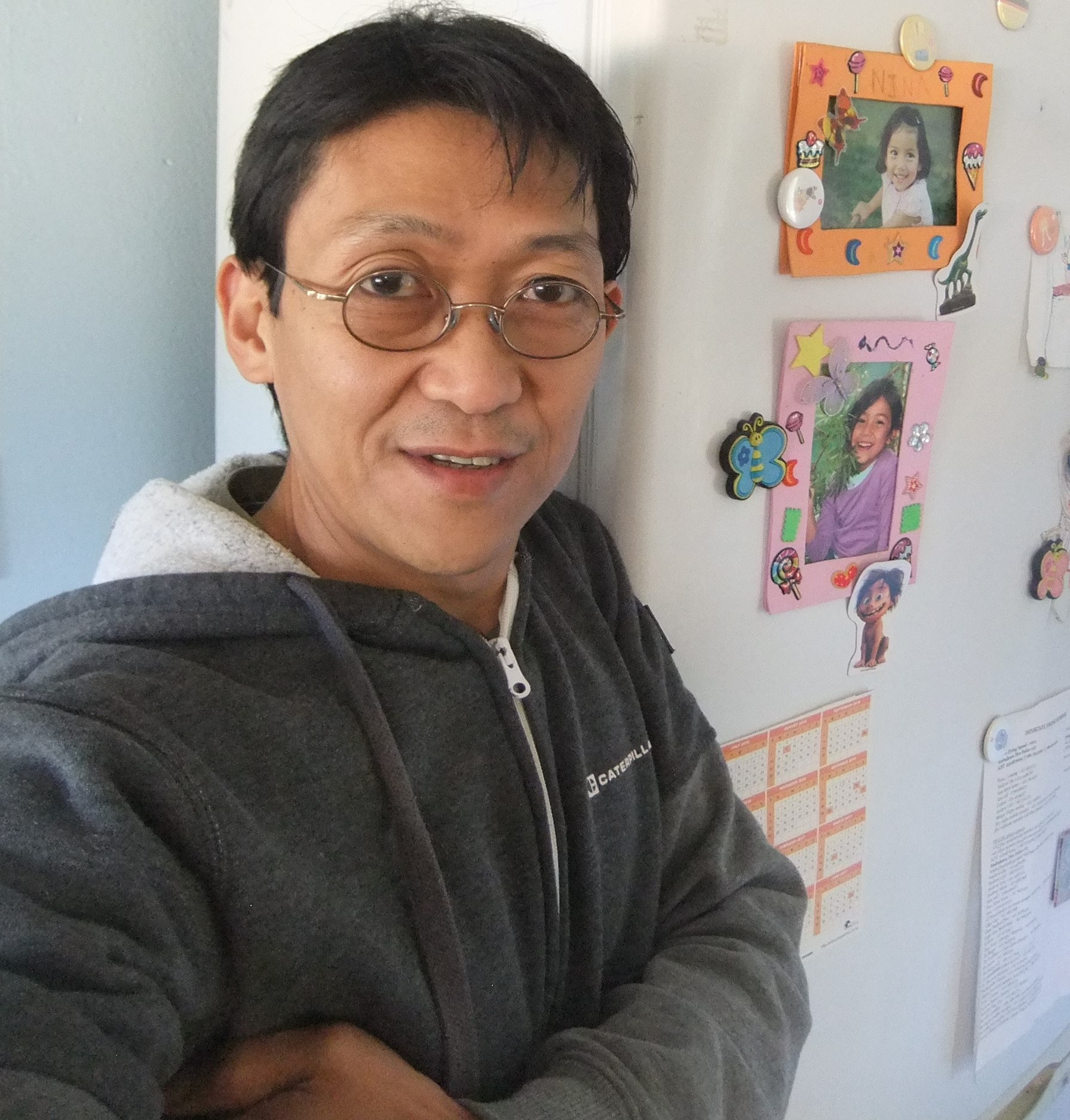
Jim Pascual AgustinJim Pascual Agustin writes and translates in Filipino and English. Born in the Philippines, he moved to South Africa in 1994. His poetry has appeared in Rhino, World Literature Today, and Modern Poetry in Translation. University of Santo Tomas Publishing House in Manila published five of his seven books of poetry, including his most recent, A Thousand Eyes (2015). In 2016 USTPH released his first short story collection in Filipino. He won Third Prize in the Sol Plaatje EU Poetry Award in 2014 and 2015. Jim wishes to draw the world’s attention to the despicable war on drugs pursued by Philippine President Duterte. www.matangmanok.wordpress.com

https://lunchticket.org/wp-content/uploads/2021/12/lunch-ticket-logo-white-text-only.png 0 0 Douglas Menagh https://lunchticket.org/wp-content/uploads/2021/12/lunch-ticket-logo-white-text-only.png Douglas Menagh2016-11-19 06:28:032024-07-02 13:20:41Danica Mae and other poems

Issue Archive

  • Issue 27: Summer/Fall 2025
  • Issue 26: Winter/Spring 2025
  • Issue 25: Summer/Fall 2024
  • Issue 24: Winter/Spring 2024
  • Issue 23: Summer/Fall 2023
  • Issue 22: Winter/Spring 2023
  • Issue 21: Summer/Fall 2022
  • Issue 20: Winter/Spring 2022
  • Issue 19: Summer/Fall 2021
  • Issue 18: Winter/Spring 2021
  • Issue 17: Summer/Fall 2020
  • Issue 16: Winter/Spring 2020
  • Issue 15: Summer/Fall 2019
  • Issue 14: Winter/Spring 2019
  • Issue 13: Summer/Fall 2018
  • Issue 12: Winter/Spring 2018
  • Issue 11: Summer/Fall 2017
  • Issue 10: Winter/Spring 2017
  • Issue 9: Summer/Fall 2016
  • Issue 8: Winter/Spring 2016
  • Issue 7: Summer/Fall 2015
  • Issue 6: Winter/Spring 2015
  • Issue 5: Summer/Fall 2014
  • Issue 4: Winter/Spring 2014
  • Issue 3: Summer/Fall 2013
  • Issue 2: Winter/Spring 2013
  • Issue 1: Spring 2012

Genre Archive

  • Creative Nonfiction
  • Essays
  • Fiction
  • Flash Prose
  • Lunch Specials
  • Poetry
  • Interviews
  • Translation
  • Visual Art
  • Young Adult

Friday Lunch Blog

Friday Lunch! A serving of contemporary essays published the second Friday of every month.

Today’s course:

Diagnosis: Persisted or Silent Inheritance

November 7, 2025/in Blog / Paula Williamson
Read more
https://lunchticket.org/wp-content/uploads/2025/11/Headshot_Paula-Williamson_1467x2000.jpg 2000 1467 Paula Williamson https://lunchticket.org/wp-content/uploads/2021/12/lunch-ticket-logo-white-text-only.png Paula Williamson2025-11-07 11:00:072025-11-12 18:02:40Diagnosis: Persisted or Silent Inheritance

The Queer Ultimatum Made Me Give My Own Ultimatum

September 26, 2025/in Blog / Lex Garcia
Read more
https://lunchticket.org/wp-content/uploads/2025/09/Garcia_Headshot.jpg 1088 960 Lex Garcia https://lunchticket.org/wp-content/uploads/2021/12/lunch-ticket-logo-white-text-only.png Lex Garcia2025-09-26 11:00:112025-09-24 11:22:02The Queer Ultimatum Made Me Give My Own Ultimatum

The Family Eulogist

September 5, 2025/in Blog / Claudia Vaughan
Read more
https://lunchticket.org/wp-content/uploads/2025/09/Headshot_Claudia-Vaughan.jpg 1641 1440 Claudia Vaughan https://lunchticket.org/wp-content/uploads/2021/12/lunch-ticket-logo-white-text-only.png Claudia Vaughan2025-09-05 11:55:242025-09-16 11:17:59The Family Eulogist

More Friday Lunch Blog »

Midnight Snack

Take a bite out of these late night obsessions.

Tonight’s bites:

The Lilac and The Housefly: A Tale of Tortured Romanticism

October 24, 2025/in Midnight Snack / Nikki Mae Howard
Read more
https://lunchticket.org/wp-content/uploads/2025/10/Headshot_Nikki-Howard_1770x2000.jpg 2000 1770 Nikki Mae Howard https://lunchticket.org/wp-content/uploads/2021/12/lunch-ticket-logo-white-text-only.png Nikki Mae Howard2025-10-24 23:55:032025-10-20 10:59:03The Lilac and The Housefly: A Tale of Tortured Romanticism

Dig Into Genre

May 23, 2025/in Midnight Snack / Lauren Howard
Read more
https://lunchticket.org/wp-content/uploads/2025/05/Lauren-Howard-credit-Terril-Neely-scaled-773x1030-1.jpg 1030 773 Lauren Howard https://lunchticket.org/wp-content/uploads/2021/12/lunch-ticket-logo-white-text-only.png Lauren Howard2025-05-23 23:59:492025-06-17 18:29:02Dig Into Genre

The dreams in which I’m (not) dying

April 25, 2025/in Midnight Snack / paparouna
Read more
https://lunchticket.org/wp-content/uploads/2025/04/paparouna-photo.jpeg 960 720 paparouna https://lunchticket.org/wp-content/uploads/2021/12/lunch-ticket-logo-white-text-only.png paparouna2025-04-25 23:55:312025-08-14 16:18:41The dreams in which I’m (not) dying

More Midnight Snacks »

Amuse-Bouche

Little bites every third Friday to whet your appetite!

Today’s plate:

Those from sadness – Found Poem

November 14, 2025/in Amuse-Bouche / Yirui Pan
Read more
https://lunchticket.org/wp-content/uploads/2025/10/Pan_headshot.jpg 1707 1280 Yirui Pan https://lunchticket.org/wp-content/uploads/2021/12/lunch-ticket-logo-white-text-only.png Yirui Pan2025-11-14 11:00:102025-10-29 09:08:58Those from sadness – Found Poem

My Town

October 31, 2025/in Amuse-Bouche / Shoshauna Shy
Read more
https://lunchticket.org/wp-content/uploads/2025/10/Shy_headshot-2.jpg 1091 862 Shoshauna Shy https://lunchticket.org/wp-content/uploads/2021/12/lunch-ticket-logo-white-text-only.png Shoshauna Shy2025-10-31 11:00:372025-10-29 09:09:44My Town

Acts of Attention: An Abecedarian

October 17, 2025/in Amuse-Bouche / Rhienna Guedry
Read more
https://lunchticket.org/wp-content/uploads/2025/09/Guedry_headshot.jpg 959 734 Rhienna Guedry https://lunchticket.org/wp-content/uploads/2021/12/lunch-ticket-logo-white-text-only.png Rhienna Guedry2025-10-17 11:00:472025-10-29 11:35:10Acts of Attention: An Abecedarian

More Amuse-Bouche »

School Lunch

An occasional Wednesday series dishing up today’s best youth writers.

Today’s slice:

I’ve Stayed in the Front Yard

May 12, 2021/in School Lunch, School Lunch 2021 / Brendan Nurczyk
Read more
https://lunchticket.org/wp-content/uploads/2021/05/SL-Insta-Brendan-Nurczyk-2.png 1500 1500 Brendan Nurczyk https://lunchticket.org/wp-content/uploads/2021/12/lunch-ticket-logo-white-text-only.png Brendan Nurczyk2021-05-12 10:18:392022-02-01 13:24:05I’ve Stayed in the Front Yard

A Communal Announcement

April 28, 2021/in School Lunch, School Lunch 2021 / Isabella Dail
Read more
https://lunchticket.org/wp-content/uploads/2021/04/SL-FB-Isabella-Dail.png 788 940 Isabella Dail https://lunchticket.org/wp-content/uploads/2021/12/lunch-ticket-logo-white-text-only.png Isabella Dail2021-04-28 11:34:132021-04-28 11:34:13A Communal Announcement

Seventeen

April 14, 2021/in School Lunch, School Lunch 2021 / Abigail E. Calimaran
Read more
https://lunchticket.org/wp-content/uploads/2021/04/SL-Insta-Abigail-E.-Calimaran.png 1080 1080 Abigail E. Calimaran https://lunchticket.org/wp-content/uploads/2021/12/lunch-ticket-logo-white-text-only.png Abigail E. Calimaran2021-04-14 11:22:062021-04-14 11:22:06Seventeen

More School Lunch »

Word From the Editor

The state of the world breaks my heart every day. Broken hearted, I stay online. I can’t log off. Because my career and schooling are all done remotely, I tend to struggle with boundaries regarding screen time, with knowing when to break away.

Like many of you, I have been spilling my guts online to the world because the guts of the world keep spilling. None of it is pretty. But it’s one of the things that, having searched for basically my entire life, I found that tempers the chaos that lives rent free inside my head.

More from the current editor »
Current Issue »

Connect With Us

lunchticket on facebooklunchticket on instaX
Submit to Lunch Ticket

A literary and art journal
from the MFA community at
Antioch University Los Angeles.

Get Your Ticket

We’ll keep you fed with great new writing, insightful interviews, and thought-provoking art, and promise with all our hearts never to share your info with anyone else.

Newsletter Signup
Copyright © 2012-2025 LunchTicket.org. All Rights Reserved. Web design and development by GoodWebWorks.
Scroll to top Scroll to top Scroll to top