

Lunch Ticket
  • Current Issue
  • Archive
    • Issues Archive
      • Issue 28: Winter/Spring 2026
      • Issue 27: Summer/Fall 2025
      • Issue 26: Winter/Spring 2025
      • Issue 25: Summer/Fall 2024
      • Issue 24: Winter/Spring 2024
      • Issue 23: Summer/Fall 2023
      • Issue 22: Winter/Spring 2023
      • Issue 21: Summer/Fall 2022
      • Issue 20: Winter/Spring 2022
      • Issue 19: Summer/Fall 2021
      • Issue 18: Winter/Spring 2021
      • Issue 17: Summer/Fall 2020
      • Issue 16: Winter/Spring 2020
      • Issue 15: Summer/Fall 2019
      • Issue 14: Winter/Spring 2019
      • Issue 13: Summer/Fall 2018
      • Issue 12: Winter/Spring 2018
      • Issue 11: Summer/Fall 2017
      • Issue 10: Winter/Spring 2017
      • Issue 9: Summer/Fall 2016
      • Issue 8: Winter/Spring 2016
      • Issue 7: Summer/Fall 2015
      • Issue 6: Winter/Spring 2015
      • Issue 5: Summer/Fall 2014
      • Issue 4: Winter/Spring 2014
      • Issue 3: Summer/Fall 2013
      • Issue 2: Winter/Spring 2013
      • Issue 1: Spring 2012
    • Genre Archive
      • Creative Nonfiction
      • Essays
      • Fiction
      • Flash Prose
      • Interviews
      • Lunch Specials
      • Poetry
      • Translation
      • Visual Art
      • Young Adult
  • About
    • Mission Statement
    • Lunch Ticket Staff
      • Issue 28: Winter/Spring 2026
      • Issue 27: Summer/Fall 2025
      • Issue 26: Winter/Spring 2025
      • Issue 25: Summer/Fall 2024
      • Issue 24: Winter/Spring 2024
      • Issue 23: Summer/Fall 2023
      • Issue 22: Winter/Spring 2023
      • Issue 21: Summer/Fall 2022
      • Issue 20: Winter/Spring 2022
      • Issue 19: Summer/Fall 2021
      • Issue 18: Winter/Spring 2021
      • Issue 17: Summer/Fall 2020
      • Issue 16: Winter/Spring 2020
      • Issue 15: Summer/Fall 2019
      • Issue 14: Winter/Spring 2019
      • Issue 13: Summer/Fall 2018
      • Issue 12: Winter/Spring 2018
      • Issue 11: Summer/Fall 2017
      • Issue 10: Winter/Spring 2017
      • Issue 9: Summer/Fall 2016
      • Issue 8: Winter/Spring 2016
      • Issue 7: Summer/Fall 2015
      • Issue 6: Winter/Spring 2015
      • Issue 5: Summer/Fall 2014
      • Issue 4: Winter/Spring 2014
      • Issue 3: Summer/Fall 2013
      • Issue 2: Winter/Spring 2013
      • Issue 1: Spring 2012
    • Achievements
    • Community
    • Contact
  • Weekly Content
    • Friday Lunch Blog
    • Midnight Snack
    • Amuse-Bouche
    • School Lunch
  • Contests
    • Diana Woods Award in CNF
      • Issue 28: Winter/Spring 2026
      • Issue 27: Summer/Fall 2025
      • Issue 26: Winter/Spring 2025
      • Issue 25: Summer/Fall 2024
      • Issue 24: Winter/Spring 2024
      • Issue 23: Summer/Fall 2023
      • Issue 22: Winter/Spring 2023
      • Issue 21: Summer/Fall 2022
      • Issue 20: Winter/Spring 2022
      • Issue 19: Summer/Fall 2021
      • Issue 18: Winter/Spring 2021
      • Issue 17: Summer/Fall 2020
      • Issue 16: Winter/Spring 2020
      • Issue 15: Summer/Fall 2019
      • Issue 14: Winter/Spring 2019
      • Issue 13: Summer/Fall 2018
      • Issue 12: Winter/Spring 2018
      • Issue 11: Summer/Fall 2017
      • Issue 10: Winter/Spring 2017
      • Issue 9: Summer/Fall 2016
      • Issue 8: Winter/Spring 2016
      • Issue 7: Summer/Fall 2015
      • Issue 6: Winter/Spring 2015
      • Issue 5: Summer/Fall 2014
      • Issue 4: Winter/Spring 2014
      • Issue 3: Summer/Fall 2013
    • Gabo Prize in Translation
      • Issue 28: Winter/Spring 2026
      • Issue 27: Summer/Fall 2025
      • Issue 26: Winter/Spring 2025
      • Issue 25: Summer/Fall 2024
      • Issue 24: Winter/Spring 2024
      • Issue 23: Summer/Fall 2023
      • Issue 22: Winter/Spring 2023
      • Issue 21: Summer/Fall 2022
      • Issue 20: Winter/Spring 2022
      • Issue 19: Summer/Fall 2021
      • Issue 18: Winter/Spring 2021
      • Issue 17: Summer/Fall 2020
      • Issue 16: Winter/Spring 2020
      • Issue 15: Summer/Fall 2019
      • Issue 14: Winter/Spring 2019
      • Issue 13: Summer/Fall 2018
      • Issue 12: Winter/Spring 2018
      • Issue 11: Summer/Fall 2017
      • Issue 10: Winter/Spring 2017
      • Issue 9: Summer/Fall 2016
      • Issue 8: Winter/Spring 2016
      • Issue 7: Summer/Fall 2015
      • Issue 6: Winter/Spring 2015
    • Twitter Poetry Contest
      • 2021 Winners
      • 2020 Winners
      • 2019 Winners
  • Submissions
  • Click to open the search input field Click to open the search input field Search
  • Menu Menu
  • Link to Facebook
  • Link to Instagram
  • Link to X

Sailing into Saigon

December 2, 2015/in DWM, DWM, Winter-Spring 2016 / by Linda Kobert

It’s still dark, 0500 on a December morning. From our ship out in the harbor we see the lights of San Diego sparkle on the horizon. We are excited by the lights. Because for so much of the last four months the horizon has merely blended with the blue of the ocean. Nearly one thousand of us—students, faculty, some family members—have been sailing around the world on a university study abroad program known as Semester at Sea. Now we’re coming home. It’s been a long voyage.

At 0500 a month earlier, we were entering another port, winding our way up the wide Saigon River on our way to Ho Chi Minh City. Our small cruise ship moved slowly, churned up the sandy river bottom. The sun was just starting to rise on our starboard side. It was foggy, which made the little fishing boats, with big slanting eyes painted on both sides of their swooping bows look eerie, like ghosts down there on the water, materializing out of the ethers.

We passed rice fields—all harvested by then—and miles and miles of jungle where the trees looked like they, too, were recently harvested. The trunks were spindly, the leaves wan and thin in many places. The sight of this sparse, sickly jungle made me sad. It made me want to say I’m sorry to the woman who poled the little painted boat being buffeted by the waves of our wake. It made me want to say I’m sorry to the family in the wobbly wooden house teetering between the trees and these muddy waters. Because as an American, I felt responsible.

I have no direct connection with the American War, as it is called in Vietnam, except that I grew up during the ’60s, was in high school in the early ’70s. Our government had stopped giving college deferments by then. Every one of my male classmates knew he’d get a draft notice along with his diploma. The war was like a pall.

In 11th grade English class, Mr. Trosan asked us to define irony. Some of us tried. Some of us were surprised when the stoner in the back of the room raised his hand. His sandy hair lapped at his collar bones. He wore dirty, faded blue jeans so long he walked on them, the hems all ratty and frayed. He slumped around school like he couldn’t care less about being there or what people thought about him. Sometimes I think teachers held his attitude against him. He was smart and they wanted him to care, wanted him to put forth some effort. But Monk’s hooded eyes were clear; he could already see what was waiting for him.

Mr. Trosan liked Monk. Mr. Trosan’s thinning hair hung over his ears too. A bushy mustache drooped over his lips, and he had a habit of playing with it with his tongue. Mr. Trosan lived down the hill from me and drove a little blue sports car. I saw his wife a couple of times. “Hippie” was what people thought when they saw her. She was tall and skinny and had very long, straight hair like Cher. She wore big glasses and bell-bottom blue jeans. I tried not to admire this couple. In my working class family, we weren’t supposed to like hippies. But I couldn’t help it; Mr. Trosan was one of the coolest teachers I ever had.

When Monk raised his hand, it was like Mr. Trosan knew he’d have the right answer. He held off calling on him to give the rest of us a stab at irony. When Mr. Trosan nodded at him, slouched in the back of the room, Monk twirled his pen around his fingers then flipped it into the book of O. Henry stories lying open on his desk. And here was his answer: “Irony,” he said, “is living through your tour in Vietnam and coming home and getting hit by a bus.” Wow, I thought, how did he know that? Behind his big mustache, Mr. Trosan just smiled.

I wish I could say I had been an anti-war activist. I wish I could say I had been a member of SDS and campaigned for George McGovern, even though I couldn’t vote. I wish I could say I had been informed and outraged and wrote letters to members of Congress and participated in protests down at the University. But the truth is, I didn’t pay attention to the war in Southeast Asia. Mine wasn’t the kind of family that had conversations around the dinner table about current events, or anything else for that matter; children were to be seen, not heard. My father had been in the Army for two years during the Korean Conflict. Even though he spent his whole tour of duty shoveling a pile of dirt from one side of the road to the other at an outpost in Germany, he still believed in the U.S. military. In high school, I just kept my head down, putting one foot in front of the other, hoping to get from one day to the next. I wasn’t supposed to have an opinion about my country’s little police action on the other side of the world.

It was The Deer Hunter, the 1978 film that won the Academy Award for best picture, that showed me what I missed. Three steelworkers from the same ethnic neighborhood near Pittsburgh, friends who went deer hunting every fall, who could bring down a deer in one shot, who got drafted and returned from the war changed, if they returned at all; Robert De Niro and Meryl Streep; the contrast between those two rites of passage, marriage and military service, and what happens to a man when he learns to bring down people in one shot and to play Russian roulette. The movie made me a pacifist. It shocked me. It saddened me. It angered me. In part because of the political message, yes, but the thing that pushed that message in under my skin was that I knew those people. I grew up in Pittsburgh. Those guys shooting shots at the bar were just like my cousins. I had driven by that Russian Orthodox Church, or one very like it, and those streets were my streets. My grandfathers were both steelworkers. Half the men in my town wore steel-toed shoes and hard hats and clomped off to the mill every morning with identical black lunch buckets. Guys in my class thought that the first day of deer season was a school holiday.

Decades later, in graduate school, I would learn that the most effective teaching tool for changing someone’s attitude is film. I was a nurse then, and the teacher was talking about changing how people thought about their health: how to get teenage girls to believe that doing self breast exams would keep them from dying of cancer; how to get diabetic patients to commit to pricking their finger, testing their blood sugar six times a day, and shooting themselves with insulin. But I thought about The Deer Hunter—the guy from down the street who danced at my cousin’s wedding and came back from ’Nam without any legs—and I knew this teacher was telling the truth.

So as I sailed in that cruise ship up the Saigon River in the early morning fog, seeing the jungle that forty years ago my country turned to hell with napalm, I imagined what it might have been like for guys like Monk to prowl these waters in a navy patrol boat with two fifty-caliber rotating machine guns mounted on the bow, a grenade launcher on the stern, and two crewmembers poised on the deck, pointing M-50 automatic assault rifles toward the shore; and I wondered why those people in their little painted boats were waving at us. Don’t they hate us, I wondered? Don’t they hold a grudge against these selfish Americans who destroyed their land, their villages, their country, because we just couldn’t let the Commies take another pawn?

But here’s the irony: we sailed up the Saigon River waving at all those people in pointy straw hats, armed with oars, rowing little boats with eyes on the bows. But a month later, as our journey around the world ends and we sail into San Diego, our home port, the boats that greet us really are those patrol boats, and the men in military fatigues, standing on the deck brandishing automatic weapons, are U.S. Coast Guard. None of the soldiers in those boats are waving to us. For more than two hours, these armed patrol boats circle our ship and escort us all the way from the mouth of the harbor to the pier where our ship will dock. Maybe I’m just disoriented from being abroad for four months, touring countries where we knew we weren’t safe, where we knew we didn’t have rights. But right now my skin is prickling and I don’t get this. Why is the U.S. Coast Guard riding around our little ship full of college students and professors, pointing their guns at us like we’re the enemy? We’re Americans. This is our home. Shouldn’t they be welcoming us?

Then I think of Monk, the stoner who couldn’t care less, who just wanted to get high, because who wouldn’t with war in his future? What if he were here, standing at the rail on deck seven of our ship as we approached this city, this American city; this place we think we know; this place we think is all about freedom and justice; this place where we think we don’t have to worry about our government coming after us with guns because we stand for liberty? What would Monk be thinking if he were standing here, in his ratty blue jeans, his long hair flying in the wind, watching these guys in fatigues circle our ship in a patrol boat armed with automatic weapons? I think I know. I think he’d shake his shaggy head at the irony of it all and turn away. “Fuck it, man,” he’d say. “It’s all a game, and we’re the pawns.”
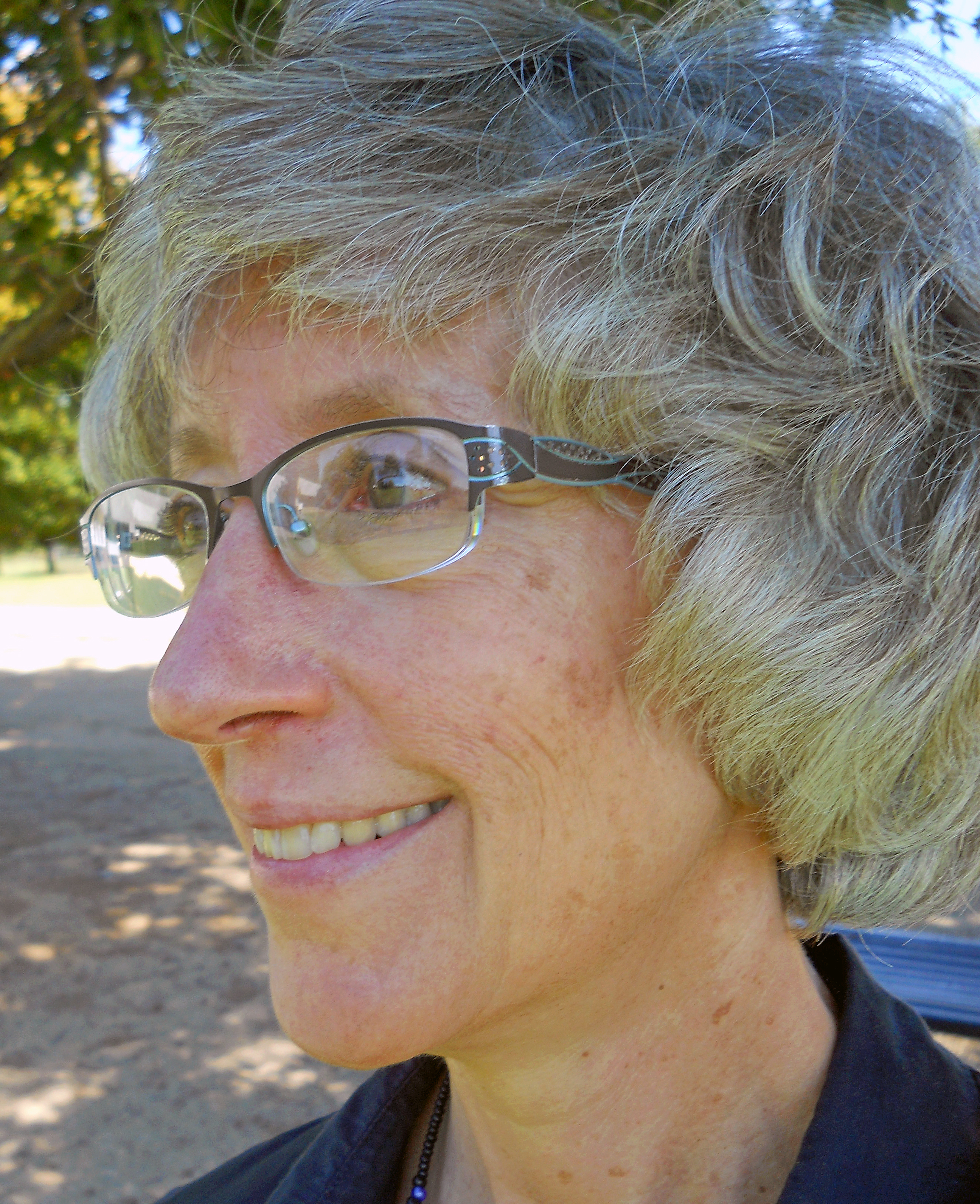
Linda KobertLinda Kobert teaches creative writing in Charlottesville, Virginia. She is a graduate of the Stonecoast MFA in Creative Writing program at the University of Southern Maine. Her creative work has appeared in Postcard Poetry & Prose, Small Spiral Notebook, Annalemma, and Spirituality and Health, and she has had several essays broadcast on a local NPR affiliate. She also reads submissions for the literary magazine Creative Nonfiction and serves as prose editor for Hospital Drive magazine.

https://lunchticket.org/wp-content/uploads/2021/12/lunch-ticket-logo-white-text-only.png 0 0 Lauren Kinney https://lunchticket.org/wp-content/uploads/2021/12/lunch-ticket-logo-white-text-only.png Lauren Kinney2015-12-02 20:09:212023-08-11 10:47:24Sailing into Saigon

Issue Archive

  • Issue 28: Winter/Spring 2026
  • Issue 27: Summer/Fall 2025
  • Issue 26: Winter/Spring 2025
  • Issue 25: Summer/Fall 2024
  • Issue 24: Winter/Spring 2024
  • Issue 23: Summer/Fall 2023
  • Issue 22: Winter/Spring 2023
  • Issue 21: Summer/Fall 2022
  • Issue 20: Winter/Spring 2022
  • Issue 19: Summer/Fall 2021
  • Issue 18: Winter/Spring 2021
  • Issue 17: Summer/Fall 2020
  • Issue 16: Winter/Spring 2020
  • Issue 15: Summer/Fall 2019
  • Issue 14: Winter/Spring 2019
  • Issue 13: Summer/Fall 2018
  • Issue 12: Winter/Spring 2018
  • Issue 11: Summer/Fall 2017
  • Issue 10: Winter/Spring 2017
  • Issue 9: Summer/Fall 2016
  • Issue 8: Winter/Spring 2016
  • Issue 7: Summer/Fall 2015
  • Issue 6: Winter/Spring 2015
  • Issue 5: Summer/Fall 2014
  • Issue 4: Winter/Spring 2014
  • Issue 3: Summer/Fall 2013
  • Issue 2: Winter/Spring 2013
  • Issue 1: Spring 2012

Genre Archive

  • Creative Nonfiction
  • Essays
  • Fiction
  • Flash Prose
  • Lunch Specials
  • Poetry
  • Interviews
  • Translation
  • Visual Art
  • Young Adult

Friday Lunch Blog

Friday Lunch! A serving of contemporary essays published the second Friday of every month.

Today’s course:

Being A Girl is Hard

November 28, 2025/in Blog / Shawn Elliott
Read more
https://lunchticket.org/wp-content/uploads/2025/11/Headshot_Shawn-Elliott_1500x2000.jpeg 2000 1500 Shawn Elliott https://lunchticket.org/wp-content/uploads/2021/12/lunch-ticket-logo-white-text-only.png Shawn Elliott2025-11-28 11:00:252025-12-11 17:48:50Being A Girl is Hard

Diagnosis: Persisted or Silent Inheritance

November 7, 2025/in Blog / Paula Williamson
Read more
https://lunchticket.org/wp-content/uploads/2025/12/Headshot_Paula-Williamson_1467x2000.jpg 2000 1467 Paula Williamson https://lunchticket.org/wp-content/uploads/2021/12/lunch-ticket-logo-white-text-only.png Paula Williamson2025-11-07 11:00:072025-12-11 17:48:51Diagnosis: Persisted or Silent Inheritance

The Queer Ultimatum Made Me Give My Own Ultimatum

September 26, 2025/in Blog / Lex Garcia
Read more
https://lunchticket.org/wp-content/uploads/2025/09/Garcia_Headshot.jpg 1088 960 Lex Garcia https://lunchticket.org/wp-content/uploads/2021/12/lunch-ticket-logo-white-text-only.png Lex Garcia2025-09-26 11:00:112025-09-24 11:22:02The Queer Ultimatum Made Me Give My Own Ultimatum

More Friday Lunch Blog »

Midnight Snack

Take a bite out of these late night obsessions.

Tonight’s bites:

The Lilac and The Housefly: A Tale of Tortured Romanticism

October 24, 2025/in Midnight Snack / Nikki Mae Howard
Read more
https://lunchticket.org/wp-content/uploads/2025/10/Headshot_Nikki-Howard_1770x2000.jpg 2000 1770 Nikki Mae Howard https://lunchticket.org/wp-content/uploads/2021/12/lunch-ticket-logo-white-text-only.png Nikki Mae Howard2025-10-24 23:55:032025-10-20 10:59:03The Lilac and The Housefly: A Tale of Tortured Romanticism

Dig Into Genre

May 23, 2025/in Midnight Snack / Lauren Howard
Read more
https://lunchticket.org/wp-content/uploads/2025/05/Lauren-Howard-credit-Terril-Neely-scaled-773x1030-1.jpg 1030 773 Lauren Howard https://lunchticket.org/wp-content/uploads/2021/12/lunch-ticket-logo-white-text-only.png Lauren Howard2025-05-23 23:59:492025-06-17 18:29:02Dig Into Genre

The dreams in which I’m (not) dying

April 25, 2025/in Midnight Snack / paparouna
Read more
https://lunchticket.org/wp-content/uploads/2025/04/paparouna-photo.jpeg 960 720 paparouna https://lunchticket.org/wp-content/uploads/2021/12/lunch-ticket-logo-white-text-only.png paparouna2025-04-25 23:55:312025-08-14 16:18:41The dreams in which I’m (not) dying

More Midnight Snacks »

Amuse-Bouche

Little bites every third Friday to whet your appetite!

Today’s plate:

Alternate lives 

April 17, 2026/in Amuse-Bouche, Poetry / Ayesha Raees
Read more
https://lunchticket.org/wp-content/uploads/2026/04/Raees-scaled.jpg 2560 1920 Ayesha Raees https://lunchticket.org/wp-content/uploads/2021/12/lunch-ticket-logo-white-text-only.png Ayesha Raees2026-04-17 12:01:152026-04-08 11:30:32Alternate lives 

Two Poems

April 10, 2026/in Amuse-Bouche, Poetry / Jax NTP
Read more
https://lunchticket.org/wp-content/uploads/2026/04/jaxntp_biopix_nov2025.jpg 2080 1170 Jax NTP https://lunchticket.org/wp-content/uploads/2021/12/lunch-ticket-logo-white-text-only.png Jax NTP2026-04-10 12:01:112026-04-08 11:50:48Two Poems

English Translation

March 27, 2026/in Amuse-Bouche, Poetry / Carrie Chappell
Read more
https://lunchticket.org/wp-content/uploads/2026/02/Carrie-at-Merci-by-Augusta-Sagnelli.jpg 1365 1785 Carrie Chappell https://lunchticket.org/wp-content/uploads/2021/12/lunch-ticket-logo-white-text-only.png Carrie Chappell2026-03-27 12:01:552026-02-26 09:30:58English Translation

More Amuse-Bouche »

School Lunch

An occasional Wednesday series dishing up today’s best youth writers.

Today’s slice:

I’ve Stayed in the Front Yard

May 12, 2021/in School Lunch, School Lunch 2021 / Brendan Nurczyk
Read more
https://lunchticket.org/wp-content/uploads/2021/05/SL-Insta-Brendan-Nurczyk-2.png 1500 1500 Brendan Nurczyk https://lunchticket.org/wp-content/uploads/2021/12/lunch-ticket-logo-white-text-only.png Brendan Nurczyk2021-05-12 10:18:392022-02-01 13:24:05I’ve Stayed in the Front Yard

A Communal Announcement

April 28, 2021/in School Lunch, School Lunch 2021 / Isabella Dail
Read more
https://lunchticket.org/wp-content/uploads/2021/04/SL-FB-Isabella-Dail.png 788 940 Isabella Dail https://lunchticket.org/wp-content/uploads/2021/12/lunch-ticket-logo-white-text-only.png Isabella Dail2021-04-28 11:34:132021-04-28 11:34:13A Communal Announcement

Seventeen

April 14, 2021/in School Lunch, School Lunch 2021 / Abigail E. Calimaran
Read more
https://lunchticket.org/wp-content/uploads/2021/04/SL-Insta-Abigail-E.-Calimaran.png 1080 1080 Abigail E. Calimaran https://lunchticket.org/wp-content/uploads/2021/12/lunch-ticket-logo-white-text-only.png Abigail E. Calimaran2021-04-14 11:22:062021-04-14 11:22:06Seventeen

More School Lunch »

Word From the Editor

Editing issue 28, I felt something similar to the way I feel near water: I dove into my own private world. The world above the surface kept roaring, of course. The notifications, deadlines, the constant noise was always there. But inside the work, inside these poems and stories and artwork, there was a quiet that felt entirely mine. A place where I could breathe differently.

More from the current editor »
Current Issue »

Connect With Us

lunchticket on facebooklunchticket on instaX
Submit to Lunch Ticket

A literary and art journal
from the MFA community at
Antioch University Los Angeles.

Get Your Ticket

We’ll keep you fed with great new writing, insightful interviews, and thought-provoking art, and promise with all our hearts never to share your info with anyone else.

Newsletter Signup
Copyright © 2012-2025 LunchTicket.org. All Rights Reserved. Web design and development by GoodWebWorks.
Scroll to top Scroll to top Scroll to top